

Have you ever wondered which single early step can change the outcome of your case?
You may feel shaken after a sudden collision. Your first actions shape any claim, treatment, and legal outcome.
Stay calm, check for injuries, and call emergency services if needed. Gather names, license details, and photos of the scene. This record helps your insurance company and preserves facts that affect fault and recovery.
Document everything and notify your insurer promptly. If you want clear guidance on reporting rules and claims timing, review the California consumer guide and our detailed post on legal next steps.
Those resources explain the claims process, your rights under state rules, and practical steps for dealing with adjusters and repair estimates.
Follow a steady process and protect your future while you seek medical care and legal clarity.
California reporting guide · ClairLaw post
- Immediate Actions at the Scene
- What To Do After A Car Accident To Protect Your Rights
- Navigating Insurance Claims and Communication
- Prioritizing Medical Evaluation and Documentation
- Legal Considerations and Professional Representation
- Securing Your Future After a Traffic Incident
- Frequently Asked Questions
- FAQ
Immediate Actions at the Scene
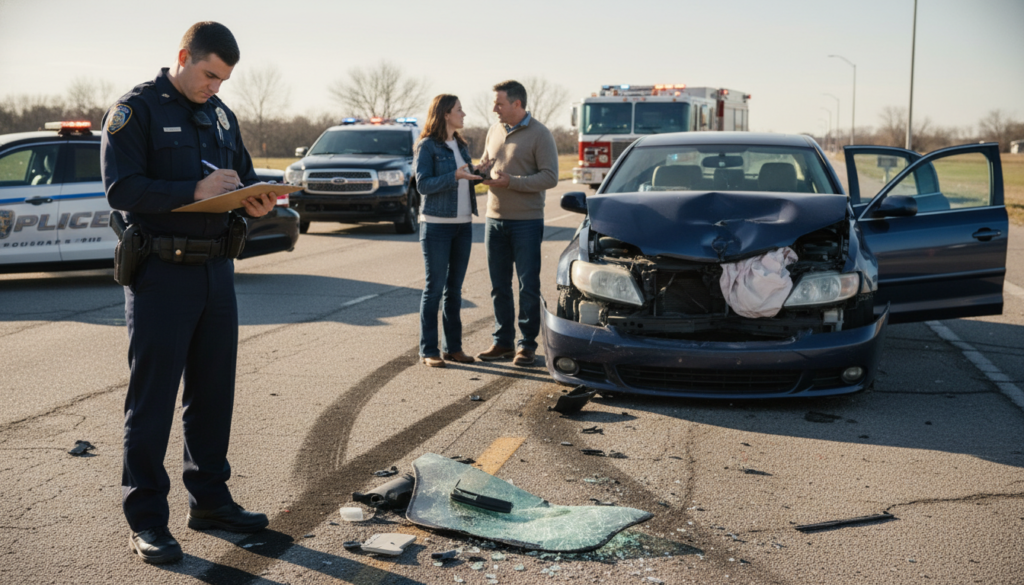
Immediate steps at the crash site can preserve evidence and prevent further harm. First, check yourself and all passengers for injuries before moving any vehicle. If anyone is hurt, avoid moving them unless ordered by emergency responders.
Ensuring Safety and Traffic Management
Dial 911 right away so police arrive and emergency help comes fast. If vehicles block traffic and it is safe, move them to the shoulder or a safe spot to reduce the risk of another crash.
Take clear pictures of vehicle damage, the license plate, and the overall scene. These photos serve as critical evidence for insurance and fault evaluation.
Calling Law Enforcement
When police arrive, share insurance information and contact information with the other driver. Keep exchanges brief and avoid admitting fault. Ask the officer for their name and badge number so you can request a copy police report later.
For a concise checklist of immediate steps, see this internal guide on immediate steps.
What To Do After A Car Accident To Protect Your Rights
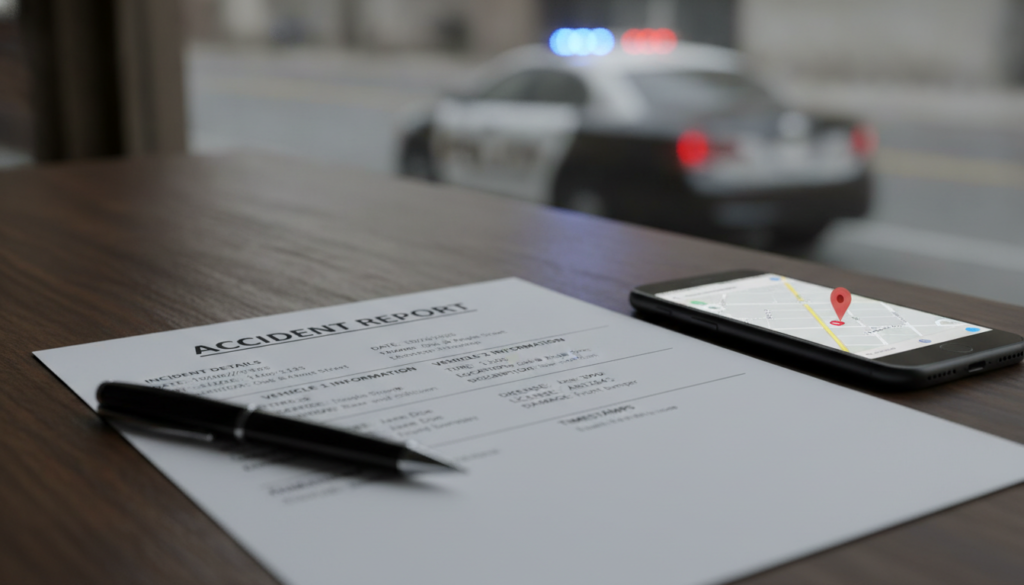
Securing reliable evidence early can make or break your claim. Start by collecting clear contact information from every driver and any witnesses at the scene.
Take pictures of vehicle damage, the license plate, and nearby property. These pictures serve as visual facts for your insurance company and your case.
When police arrive, report the facts without guessing fault. Ask how to obtain a copy police report and note the officer name and badge number.
Visit the Illinois State Police website or your local department to request a copy police report if the crash occurred in that jurisdiction. Keep one copy in your records and share another with your insurer.
- Confirm each driver’s full name, phone, and insurance information.
- Record witness names and contact information.
- Save photographs and any scene notes you wrote.
If you need guidance on reporting or next steps for an insurance claim, see this helpful resource: insurance report checklist.
Notify your insurer quickly so the claims process can begin while details are fresh.
Contact your insurance company as soon as possible, even if you believe you were not at fault. Early notice helps preserve the police report and scene information that insurers use to evaluate fault and coverage.
Avoiding Premature Statements
Speak only with your own provider at first. Insurers and other providers may request recorded statements that can affect your case.
- Use the Progressive mobile app or your insurer's portal to file a claim and check coverage status.
- Review your policy so you understand limits, deductibles, and who handles property damage versus injuries.
- Do not admit fault; let the police report and insurer investigation determine responsibility.
- Keep clear, ongoing communication with your insurance company so they can represent your interests during the claim process.
Remember: filing an insurance claim is standard and meant to help you recover. Keep copies of the police report, photos, and any medical notes to support your claim and case.
Prioritizing Medical Evaluation and Documentation
Even minor impact can hide injuries that appear hours or days later. Prompt medical evaluation protects your health and creates critical records for any claim.
Identifying Latent Injuries
Get examined by a clinician even if you feel fine. Some soft-tissue injuries and concussions show delayed symptoms. A timely visit creates an official report that links your condition to the accident and the scene.
Maintaining a Medical Journal
Keep a daily log of pain, mobility limits, medications, and missed work. Note dates, times, and any phone calls with providers or the police. This journal strengthens your account when you submit records to your insurer or an insurer's adjuster.
Organizing Treatment Records
Save all bills, prescriptions, imaging, and doctor notes. Photograph damaged clothing or vehicle parts and attach them to your file. Provide organized records to the insurance company to speed the insurance claim and support lost-wage requests.
Legal Considerations and Professional Representation
Early counsel helps preserve evidence and frames your negotiating position.
If you suffered injuries or your vehicle showed significant damage, consult an attorney experienced in traffic cases. Contact Scott Law Firm at (936) 243-4299 for a consultation about your legal options and next steps.
Nessler & Associates assists with personal injury claims and helps you meet strict filing deadlines. Remember: many states enforce a two-year limit for filing a lawsuit; missing that window can block recovery.
"Professional representation can level the playing field when insurers pressure you to accept a quick settlement."
Illinois follows modified comparative negligence. If you were partly at fault, you may recover only when your fault is 50% or less. Your lawyer will collect facts, witness contact information, and the police report number to build a strong case.
- Let an attorney handle negotiations with the insurance company and insurer tactics.
- Do not sign any settlement documents without legal review.
- Keep copies of the police report and all treatment records for your claim.
For a thorough guide on protecting your rights, review this resource on preserving legal options: ultimate guide to protecting your rights.
Securing Your Future After a Traffic Incident
Long-term recovery depends less on luck and more on organized records and steady communication with insurers.
Document every detail you can: dates, times, witness information, and any photos of vehicle damage or road conditions. These facts support your claim and protect your financial future.
Follow your medical plan closely. Early care links injuries to the incident and creates the reports an insurer will review.
Understand your policy. Your coverage is a contract; know limits, deductibles, and which company handles different losses.
- Keep copies of the police report and medical bills.
- Log phone calls, adjuster names, and claim numbers.
- Keep receipts for rental or repair expenses.
If questions arise, consult a qualified professional who can explain fault, coverage, and the legal process. This step helps you avoid low offers and missed rights.
"Staying organized and informed is the best way to protect your health and your wallet."
Frequently Asked Questions
Early organization of facts, treatments, and notices improves later outcomes.
If the other driver lacks coverage, contact your own insurance carrier and ask about uninsured motorist benefits. This can help with medical bills and vehicle damage.
File a police report as soon as possible. Local rules set exact deadlines, so check your jurisdiction for timing.
You can still pursue a claim when partly at fault. Recovery depends on state negligence rules and your share of fault.
If new injuries appear days later, seek medical care and document symptoms in writing and records.
Hire an attorney when a complex case or tough insurer negotiations threaten fair compensation. For more guidance, see this auto-accident guide.
FAQ
What should you do first at the scene to stay safe?
Immediately check yourself and others for injuries and move to a safe spot if possible. Turn on hazard lights, set up warning triangles, and, if traffic allows, move vehicles out of active lanes. Prioritize safety over property; call 911 if anyone is hurt or a hazard exists.
When must you call law enforcement to the scene?
Call the police if there are injuries, significant vehicle damage, suspected impaired driving, or a dispute about fault. A formal police report documents the facts and provides an official case number you’ll need for insurance claims and legal steps.
What information should you collect from other drivers?
Exchange names, phone numbers, driver’s license numbers, license-plate numbers, vehicle makes and models, and insurance companies plus policy numbers. Take photos of documents and vehicle damage to avoid transcription errors.
How should you document the scene and damage?
Use your phone to photograph vehicle positions, all damage, skid marks, road signs, traffic signals, and nearby property. Capture wide shots and close-ups from various angles and include timestamps when available. Photos support your version of events and damage estimates.
Should you admit fault or apologize at the scene?
Avoid admitting fault or saying you’re sorry, even if you feel responsible. Short, factual statements are fine. Admissions can be used against you in claims. Let the police and insurers determine responsibility based on evidence.
How soon should you notify your insurance company?
Contact your insurer as soon as you reasonably can, ideally the same day. Provide facts, photos, and the police report number, but avoid speculative statements about fault or detailed injury descriptions until medical evaluation confirms them.
What if the other driver has no insurance or leaves the scene?
If the other driver flees, get their plate number, a description of the vehicle and driver, and any witness information. Report the hit-and-run to police immediately. Contact your insurer and ask about uninsured motorist coverage for repair and medical costs.
When should you seek medical attention after an incident?
Seek medical care right away for any signs of injury. Even minor symptoms can indicate internal or delayed conditions. Prompt records establish a clear link between the collision and your injuries for claims or legal proceedings.
How do you track medical treatment and related expenses?
Keep a medical journal with dates, providers seen, treatments, prescriptions, and symptom notes. File all bills, receipts, and appointment summaries. Organized records strengthen injury claims and ensure you request full compensation.
What steps help preserve evidence for a claim or legal case?
Preserve all photos, police reports, medical records, repair estimates, and communication with insurers. Save vehicle parts or damaged items if instructed. Secure witness contact details and ask for written statements when possible.
When should you consult an attorney?
Consider legal counsel if you face severe injuries, disputed fault, denied or low settlement offers, or long-term disability. An attorney can protect your rights, negotiate with insurers, and advise on filing deadlines and evidence gathering.
How can you avoid common mistakes that hurt claims?
Don’t delay medical care, admit fault, post accident details on social media, or accept the first settlement without review. Follow treatment plans, keep thorough records, and communicate through your insurer or lawyer to avoid missteps.
What if you disagree with the insurer’s damage estimate?
Request a detailed explanation and obtain independent repair estimates or an appraisal. You can escalate the dispute through the insurer’s appeal process or involve your attorney or a consumer protection agency if needed.
How long do you have to file an insurance claim or a lawsuit?
Time limits vary by state and policy. File insurance claims promptly and consult an attorney about the statute of limitations for personal injury or property damage lawsuits in your state to avoid losing legal rights.
What coverage should you check on your policy after a crash?
Review liability limits, collision and comprehensive coverage, uninsured/underinsured motorist coverage, medical payments or personal injury protection (PIP), and rental reimbursement. Knowing your benefits speeds decisions on repairs and care.
How do witness statements help your case?
Witnesses provide independent accounts of the crash, traffic conditions, and driver behavior. Collect names, phone numbers, and brief written statements when possible. Their testimony can corroborate your version of events and strengthen claims.
Deja una respuesta